Three years ago, I laid out a simple idea: things do not fall apart because of one problem. They fall apart when multiple systems start failing at the same time. That still holds up.
What has changed is the speed. The gap between stress and visible breakdown is getting shorter. You do not have to imagine failure anymore. You can see early versions of it in fuel prices, grocery bills, migration pressure, and the steady loss of trust in institutions that used to feel stable.
None of this is new in a historical sense. People do not change much. When access to basic needs or a sense of fairness starts slipping, behavior follows quickly.
The same four pressure points still matter most: energy, food, culture, and governance. The last few years have clarified how they interact and how fast things escalate when more than one starts to wobble.
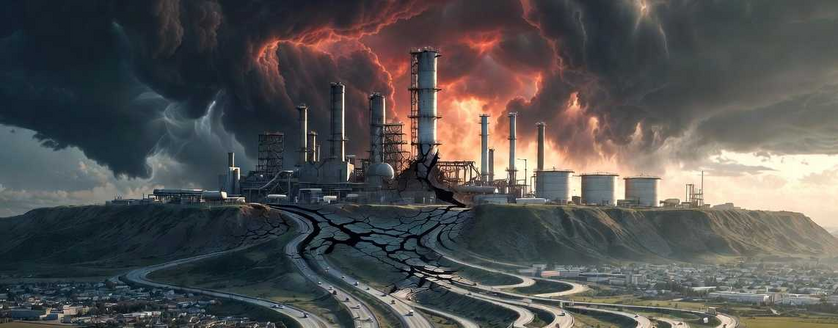
Energy / Fuel — The First Domino
Everything sits downstream of energy. This is not theoretical. It shows up in everyday life.
We saw a version of this in Sri Lanka when fuel shortages cascaded into broader collapse. Europe’s energy crunch after 2022 was not just about heating bills. It hit industry, jobs, and politics at the same time. You can debate causes, but the outcome was clear. People felt it immediately.
The United States has not hit that wall, but the warning signs are there. Refining capacity has not kept pace, the strategic reserve is lower than it was, and diesel continues to show volatility.
That matters because diesel is not abstract. It powers trucks, farming equipment, and logistics. When diesel spikes, it quietly raises the cost of everything.
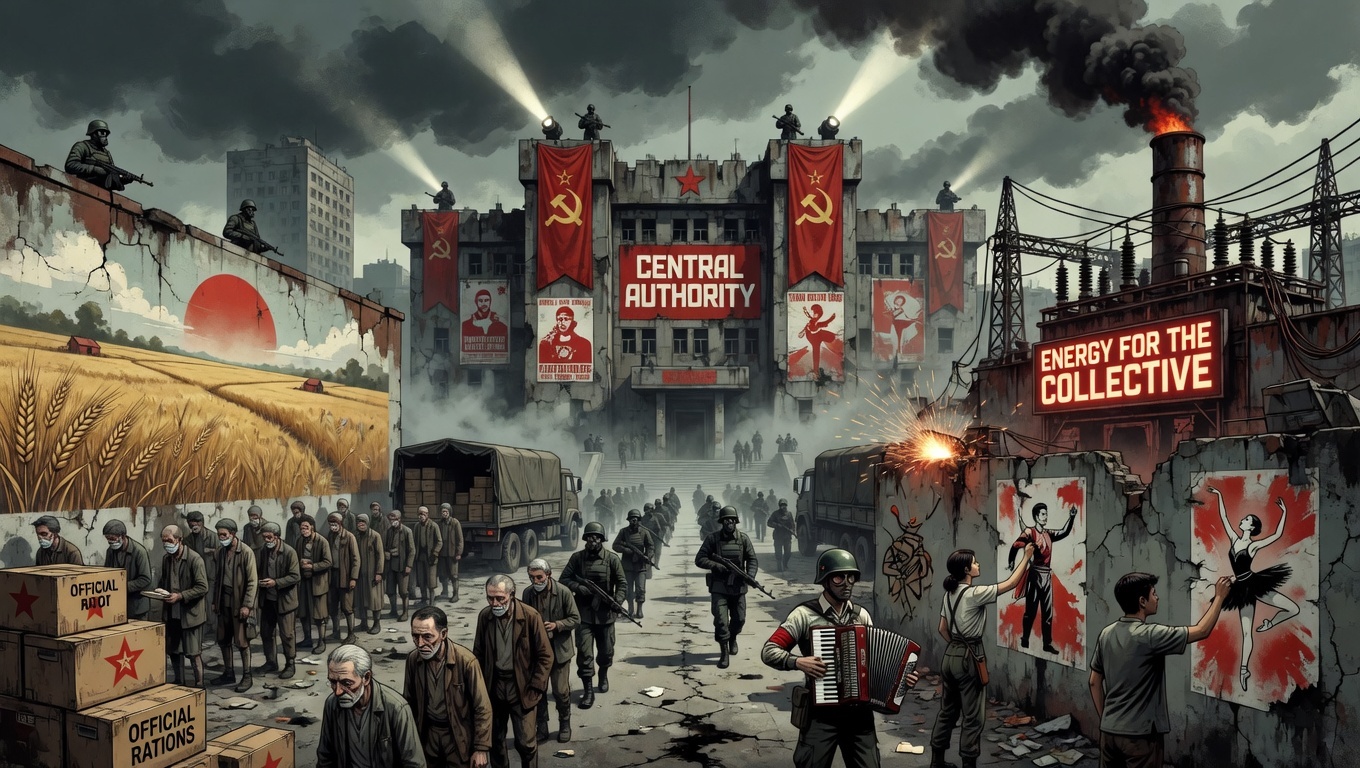
If this category breaks hard, it will not be subtle. It will show up as outages, rationing, or prices that make normal life feel out of reach.
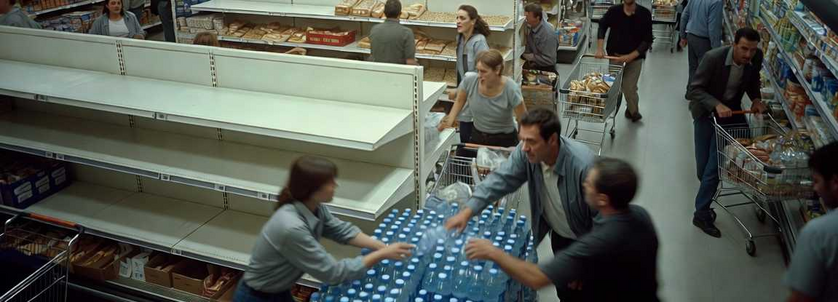
Food / Water — Where It Gets Real
People will tolerate a lot. Empty shelves is usually where that ends.
The last few years exposed how fragile the system actually is. War disrupted grain flows. Fertilizer constraints tightened supply. Disease culls reduced output. Policy decisions that looked minor on paper had real effects on production.
What stood out was not just shortages. It was who started pushing back. Farmers, truckers, and producers. The people who actually make and move things.
When those groups protest across multiple countries, it is not random. It is a signal that pressure is building in the wrong places.
Food inflation has already done damage, especially for lower and middle-income households. Water issues are quieter but more structural. Once those systems degrade, they do not recover quickly.
If this category slips, behavior changes fast. Hoarding, panic buying, political pressure, and eventually unrest.
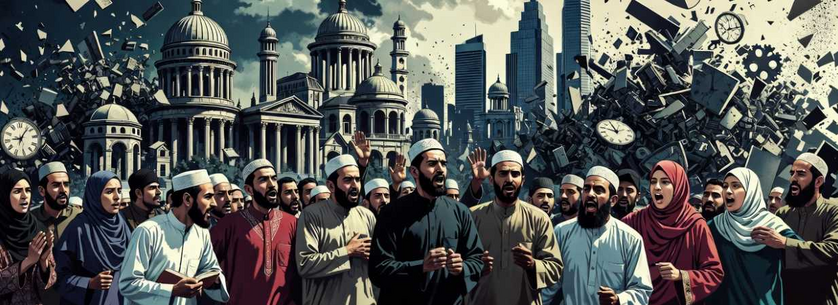
Culture — The Accelerator
This is the factor people tend to dismiss, and that is a mistake.
Culture is not just a social debate. It is how people define belonging, fairness, and what is worth defending. When that feels threatened, whether accurately or not, it becomes personal very quickly.
Across the West, similar tensions are emerging. Migration is outpacing assimilation in some areas. Trust between groups is declining. There is a growing perception that rules are not applied evenly.
In the United States, the divide takes a different shape but follows a similar pattern. Identity politics, demographic change, and a widening gap between institutional messaging and lived experience.
You do not need universal agreement on the facts. You only need enough people to feel that the system no longer represents them.
That is when fragmentation begins.
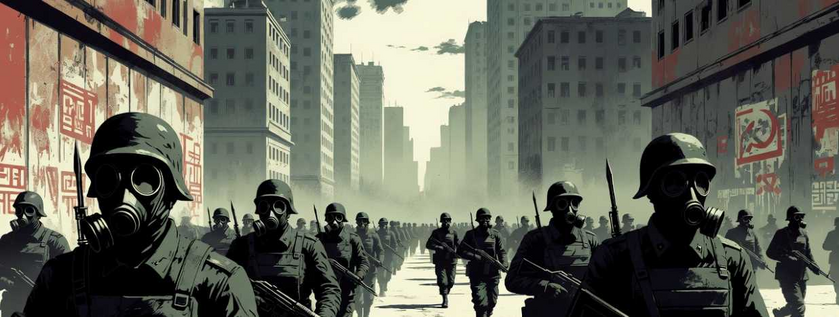
Governance — The Breaking Point
Governments can absorb criticism. What they struggle to survive is a loss of legitimacy.
Once people believe the rules are uneven, or that enforcement depends on who you are, compliance starts to erode. It happens quietly at first, then more openly.
There are early signs of this now. Declining trust in institutions, debates over selective enforcement, and a sense that different groups operate under different standards.
At that point, people begin looking for alternatives. Sometimes that means local solutions. Sometimes it means parallel systems. Sometimes it is simple disengagement.
None of those paths support long-term stability.
Putting It Together
Each of these pressures is manageable on its own. Together, they compound.
Energy and food affect daily life. Culture shapes how people interpret stress. Governance determines whether people accept or reject the response.
The last few years did not break this model. They reinforced it.
What I’d Actually Do
Most discussions at this point become abstract. This does not need to be.
The focus should be on reducing fragility:
Build a buffer in essentials like food, fuel, and financial flexibility.
Know capable and reliable people in your local area.
Pay attention to leading indicators such as fuel costs, food prices, local crime, and policy shifts.
Avoid dependence on systems that only function when everything is working perfectly.
None of this is extreme. It is a practical response to systems that are showing visible strain.
Civil conflict is not guaranteed. But the conditions that make it possible are easier to recognize now than they were a few years ago.
Ignoring those signals does not make them disappear.